
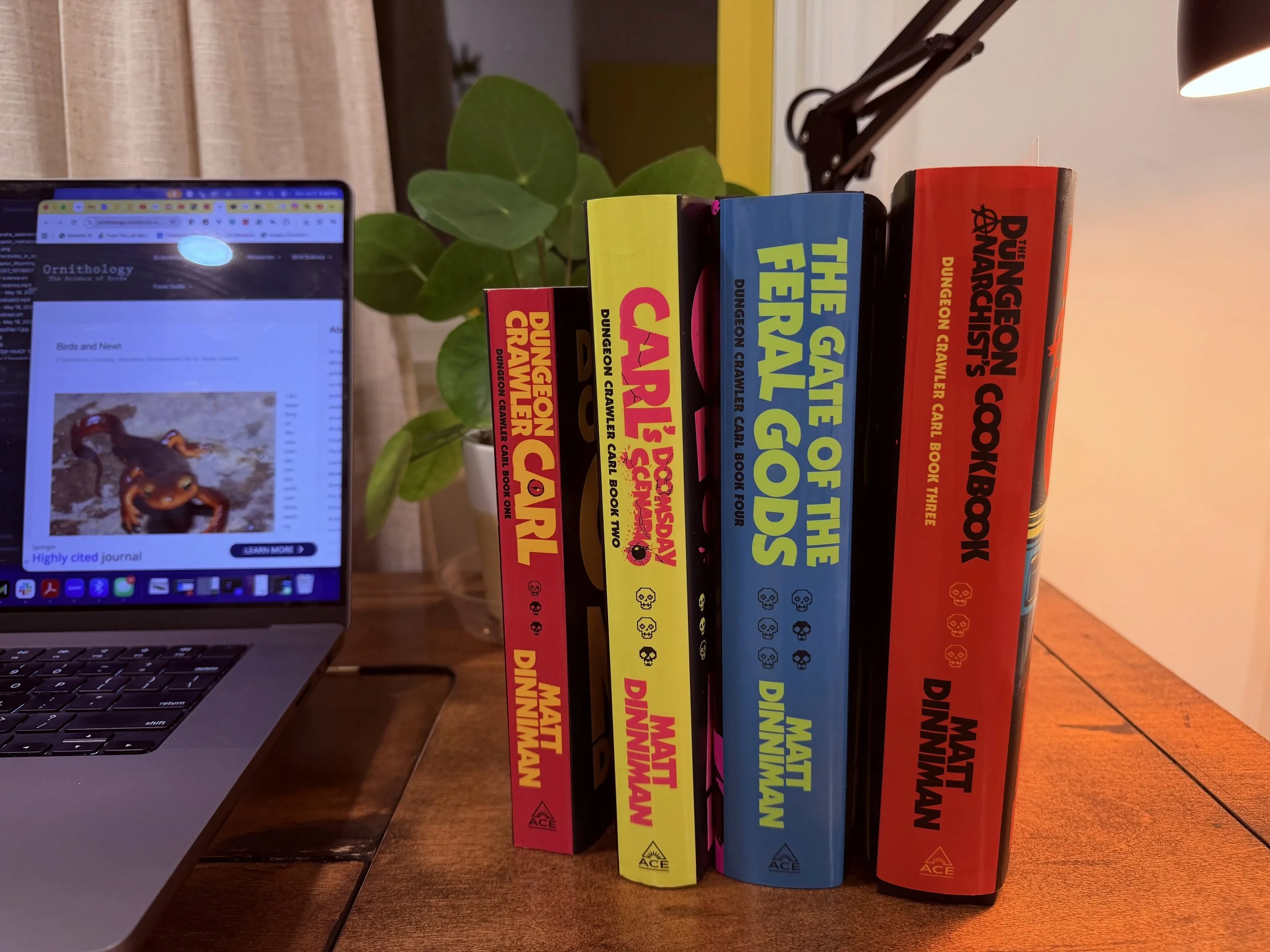
Meet the real-life counterparts of some of the monsters in Dungeon Crawler Carl
I recently started the Dungeon Crawl Carl series, and just finished the second book! Needless to say, I’m addicted. (Dammit, Donut!)
One of the things I love about this series by Matt Dinniman is how often the books reference not only popular culture, but real-life “monsters” or animals with unique characteristics and abilities! I hope you enjoy learning some of the science behind Dinniman’s characters as much as I enjoyed digging up these facts.
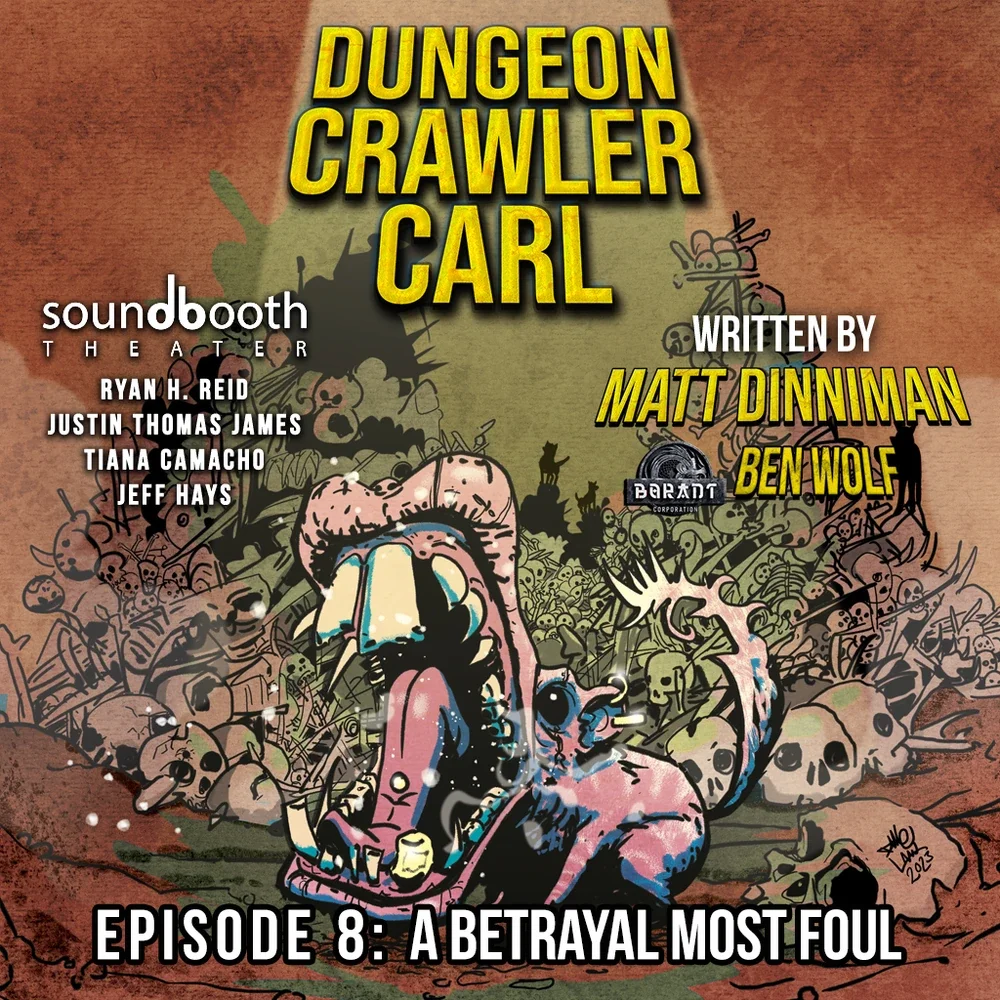
Art of Ralph from the cover of the Soundbooth Theatre Immersion Tunnel: Season 1, Episode 8
The Gerbil that started the Black Plague
“Ralph, champion pit fighter of the kobold training grounds, lives his life in a perpetual state of rage. Why? Because he feels that human death toll of 200 million is much too low, and he will do everything in his power to triple that number. Starting with you.” — Matt DinnimanWhen the system AI told Carl that the Black Death (or bubonic plague), a bacterial infection that killed millions of people in Europe over several centuries starting in the 1300s, was actually caused by a gerbil rather than the black rat, I rushed to Google to fact-check. According to a 2015 article in The Guardian, the system AI was telling the truth (this time).
Apparently, great gerbils and marmots in Asia were reservoirs for the plague bacterium Yersinia pestis. Following warm, wet periods during which these rodents’ populations exploded, their numbers would subsequently crash, the fleas feeding on them forced to seek other hosts. Those hosts, including camels and humans, would then travel along trade routes to Europe, spreading the disease in waves that occurred over centuries.
During outbreaks in Europe, plague bacteria seem to have predominantly jumped from person to person (sometimes via human lice!). Infected fleas could temporarily set up shop on black rats (and other animals, including household pets!), but some researchers have deemed it unlikely the plague found a permanent reservoir in European rodents. Instead, the Black Death in Europe was routinely fed by overflow of the bacterium from rodent reservoirs in Asia.
As an aside, Donut should probably stay away from the Frenzied Gerbil; cats can become very ill with plague. In the U.S. in 1992, a veterinarian became sick and died when a plague-infested cat sneezed on him as he was trying to rescue it from underneath a house.
I certainly learned something new!
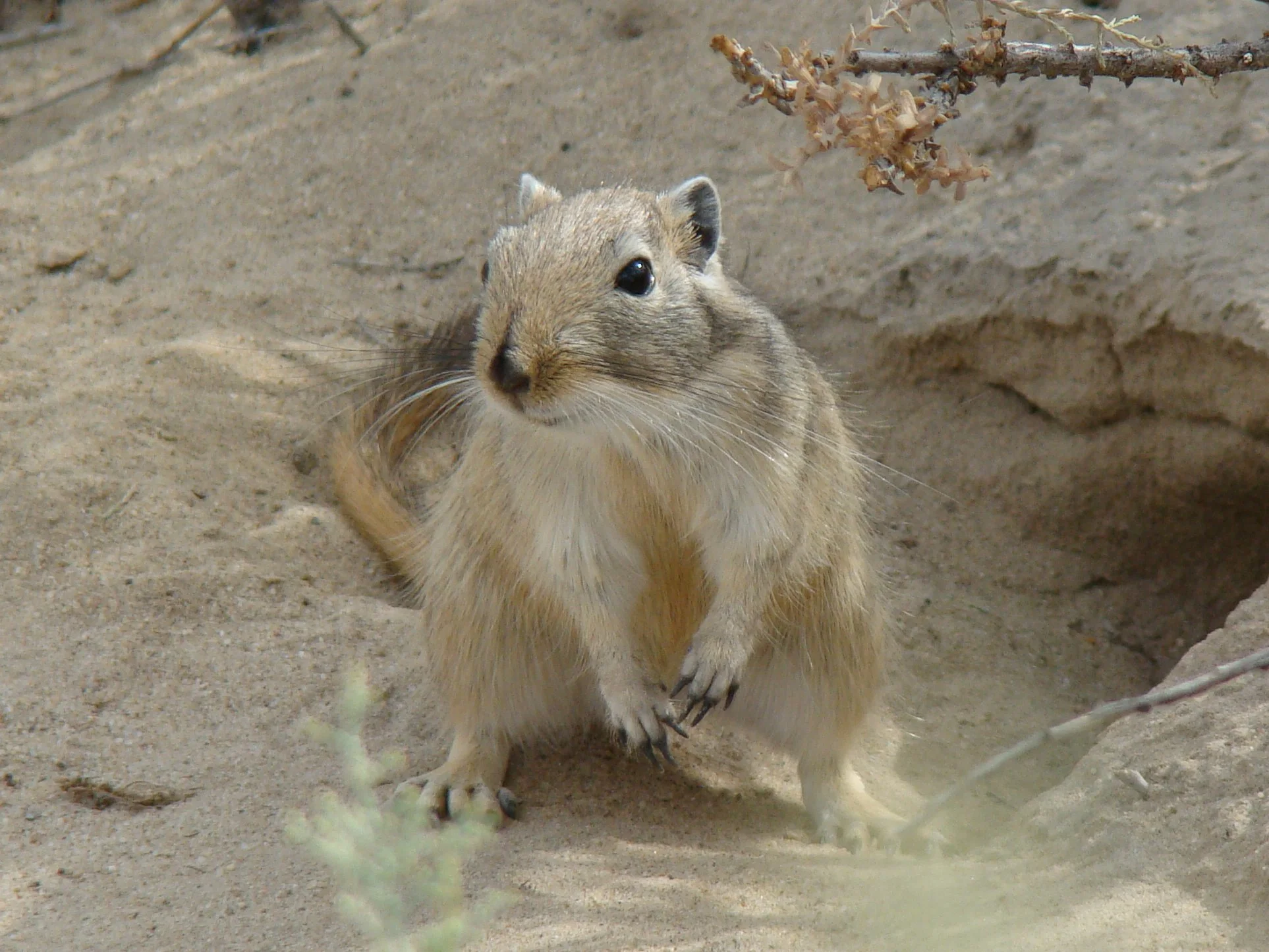
He looks cute! But looks can be deceiving… Great gerbil (Rhombomys opimus). Baikonur-town, Kazakhstan. Source: Yuriy75, Wikimedia Commons, CC BY-SA 3.0
Parasitic (Carnival) Worms
If you thought those undulating white worms that lashed out at Carl from the hands of Heather the Bear were pure science fiction, I’ve got news for you. Those worms’ real-life counterparts might be horsehair worms (Nematomorpha), parasitic worms that can reach lengths of centimeters to meters. These worms don’t parasitize humans, but arthropods aren’t so lucky.
Horsehair worm larvae parasitize invertebrate hosts (like crickets, mantids, and grasshoppers). Once the growing worms are ready, they manipulate their host's nervous system, forcing the host to seek out a body of water and drown itself… whereupon the adult worms leave their host's body to reproduce. Talk about nightmare fuel!
“The larvae feed on nutrients inside the host absorbing them directly through their skin and moulting as they grow. It may take a couple of weeks to months to complete the parasitic stage. This process rarely kills the host as the parasite relies on the host’s nutrients. The horsehair worm needs to ensure the host is near water before emerging as an adult.” — Wildlife TrustsHow exactly do the worms affect their host’s behavior? It appears the worms ramp up the production of manipulative proteins, using genes they effectively stole from their insect hosts in the past! The proteins activate biological pathways related to light detection and circadian rhythms, causing the insect host to seek out light-reflecting bodies of water.
There are other parasites that hijack their hosts' brains and bodies; learn more here!
References:
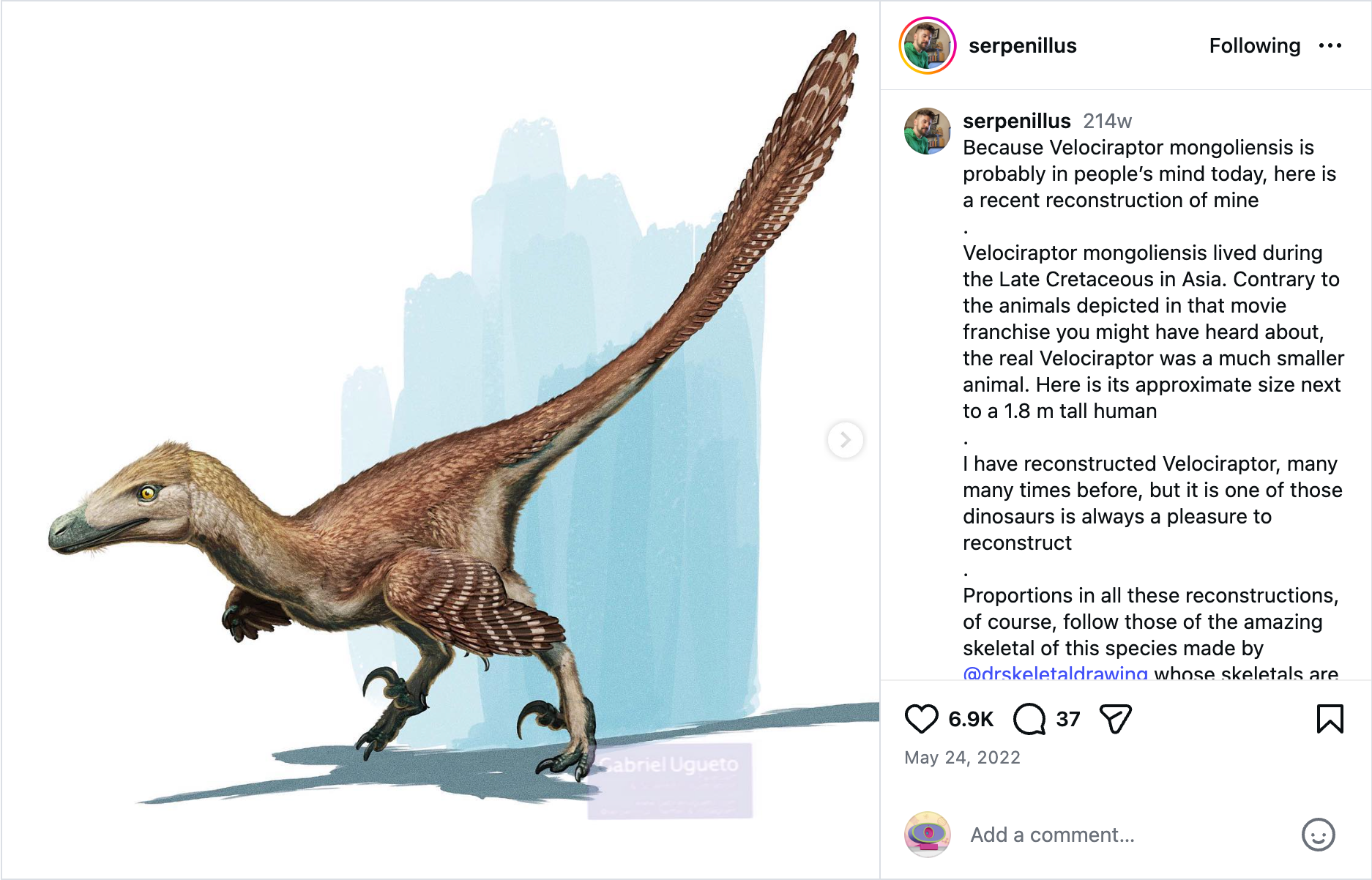
A Feathered Mongo
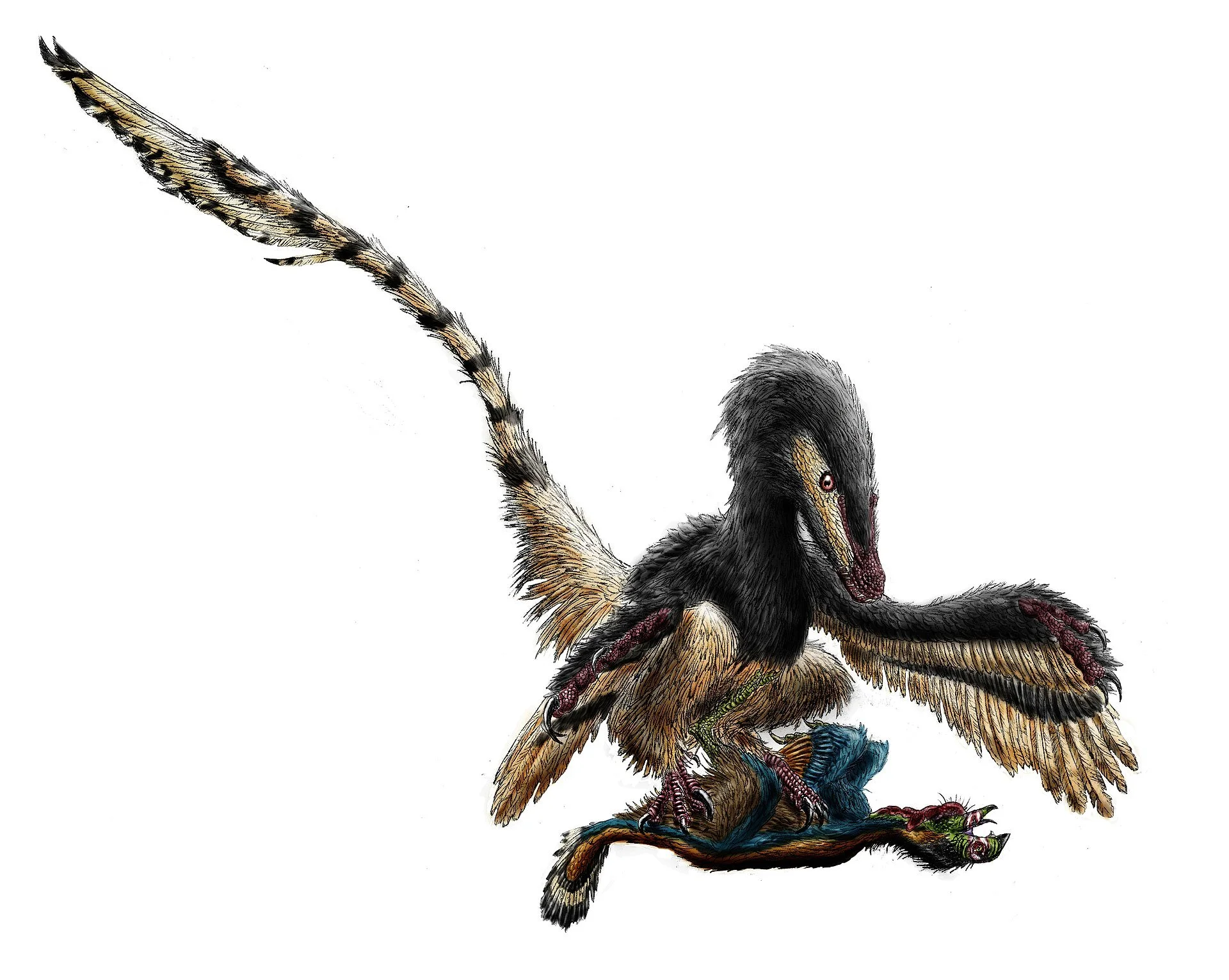
Velociraptor mongoliensis "mantling" over a young oviraptorosaur. Extant raptors use their wings in a similar way to hide their prey from nearby predators, so it seems plausible that their mesozoic cousins had the same habit. Source: Durbed, Deviant Art, CC-ShareAlike 3.0 License
Mongo, or Velociraptor mongoliensis, was indeed a feathered dinosaur, although it didn’t get much bigger than a large dog. It roamed the Earth about 80 million years ago. Paleontologist David Button thinks of it as a grounded eagle (it couldn’t fly), with a scary, tooth-filled mouth (not exactly a beak, but beak-shaped). According to National Geographic, a forelimb fossil of this dinosaur, found in Mongolia, “showed quill knobs like those found in many modern birds,” cementing the Velociraptor's status as a feathered, bird-like creature.
Fun facts about the real Mongo:
He had claws on his feet, including one particularly large “deadly sickle-like claw.” But rather than being used to disembowel prey, paleontologists believe the claws were used to “pierce and pin down prey as hawks do.”
Donut’s Mongo is a “pack hunter,” although there seems to be mixed evidence for pack hunting in the real Velociraptor mongoliensis. He was probably a solo hunter, although it’s possible that, like some other modern reptiles (the komodo dragon), these dinosaurs were opportunistic communal feeders, “mobbing” carcasses.
Mongo shrieks, a LOT. While that is more realistic than the “roar” of similar dinosaurs in the movies, the real Velociraptor mongoliensis probably made more bird-like sounds and calls, including chirps and coos!
The real Velociraptor mongoliensis had excellent hearing, capable of detecting frequencies similar to those the modern raven can hear. A study that used precise CT scanning to reconstruct the inner ear of the dinosaur based on fossils found that it could “hear, hunt, and perhaps vocalize most efficiently in the range of 2,400 Hz.” But the dinosaur could hear a wide range of sounds. It likely used its keen hearing (and sense of smell) to actively hunt, but would also scavenge when needed (just like Mongo, who will feast on corpses already killed by Donut and Carl!).
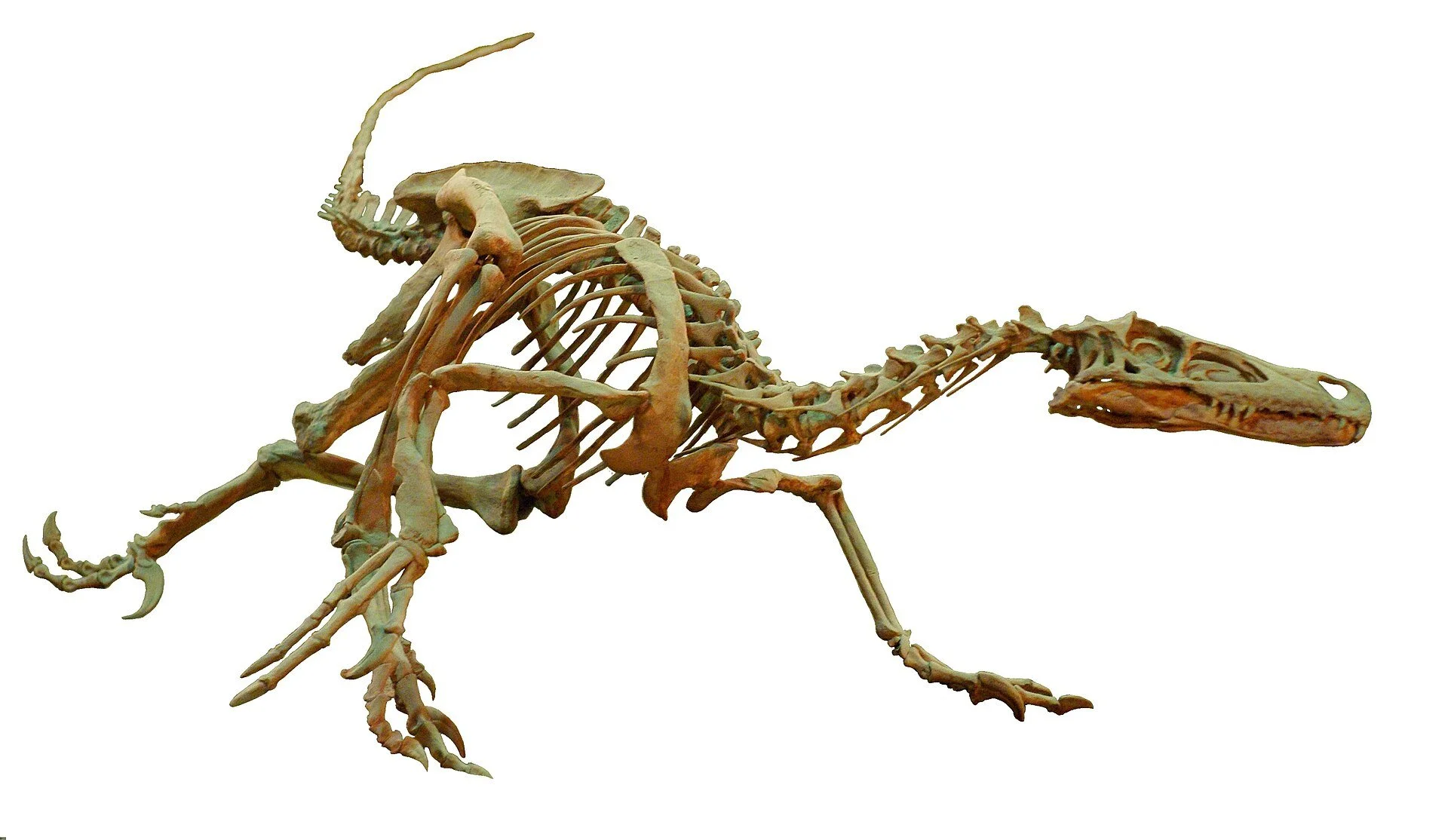
The velociraptor's body was suited to hunting. Image © Ben Townsend via Wikimedia Commons, licensed under CC BY 2.0
References:
Poisonous Samanaders
That twice-regurgitated salamander-on-a-stick didn’t sit too well in Mongo’s stomach… likely for a good reason!
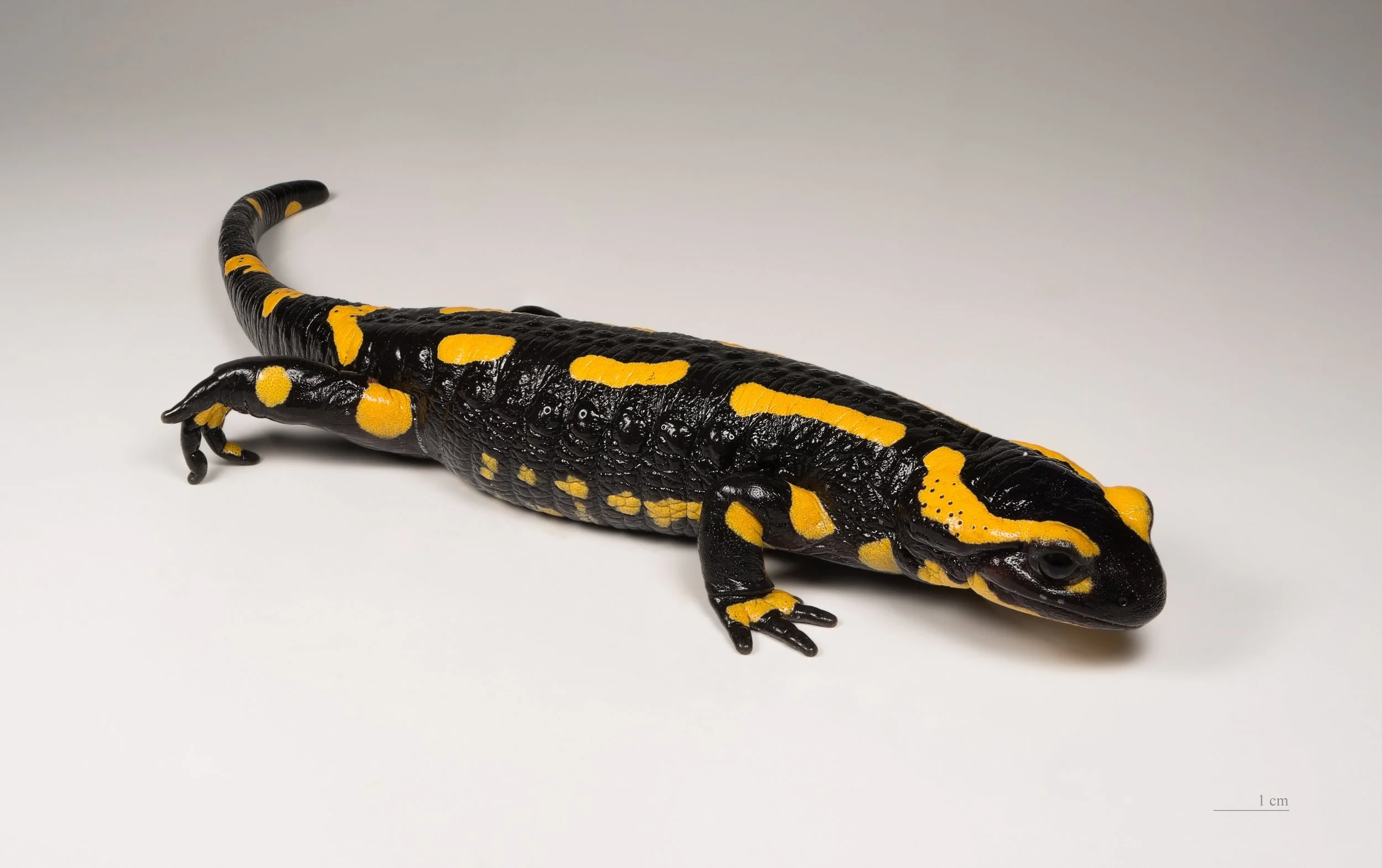
The fire salamander. Source: Didier Descouens, CC BY-SA 4.0
According to the Burke Museum, most newts (a type of salamander) secrete toxins through their skin. Many salamanders advertise their toxicity with bright colors to ward off to-be predators. And this “See my colors? I’m toxic so don’t eat me!” strategy usually isn’t a bluff. All salamanders are poisonous to some extent.
Salamander toxins vary, but many of them are neurotoxins, stored in parotoid glands or specialized skin glands on the back of their heads and on their shoulders. For example, the brightly colored yellow-and-black European fire salamander secretes potent alkaloid (nitrogen-containing) toxins, including the neurotoxin Samandarin. This toxin affects neurons, and ingestion can cause muscle spasms, shortness of breath, convulsions, and paralysis. Birds (or dinosaurs?!) and other animals who ingest a fire salamander can become very ill, can stop breathing, and can even die.
What’s more, the fire salamander can spray its toxin at predators from glands on its back!
Mongo is lucky he threw up that salamander before its toxins could have any neurological effects! He probably should have rinsed his mouth quickly with some water!