
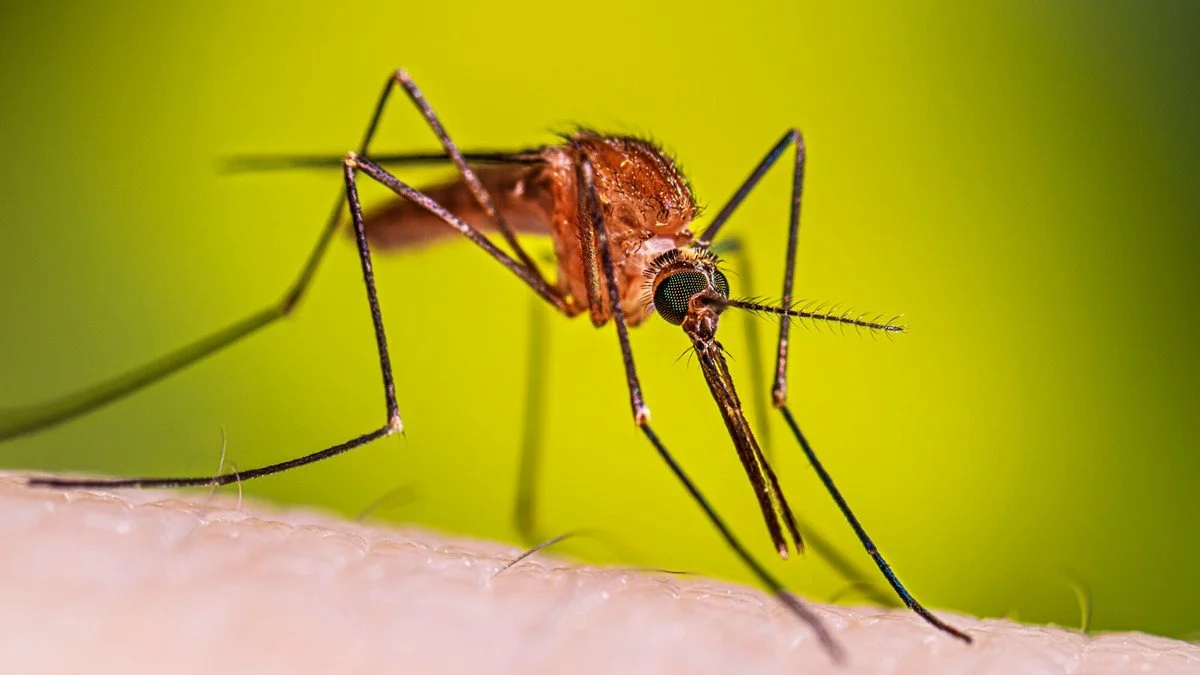
10 Fascinating Mosquito Facts
You may be thinking, really? Mosquitoes? I know, I know… just hear me out!
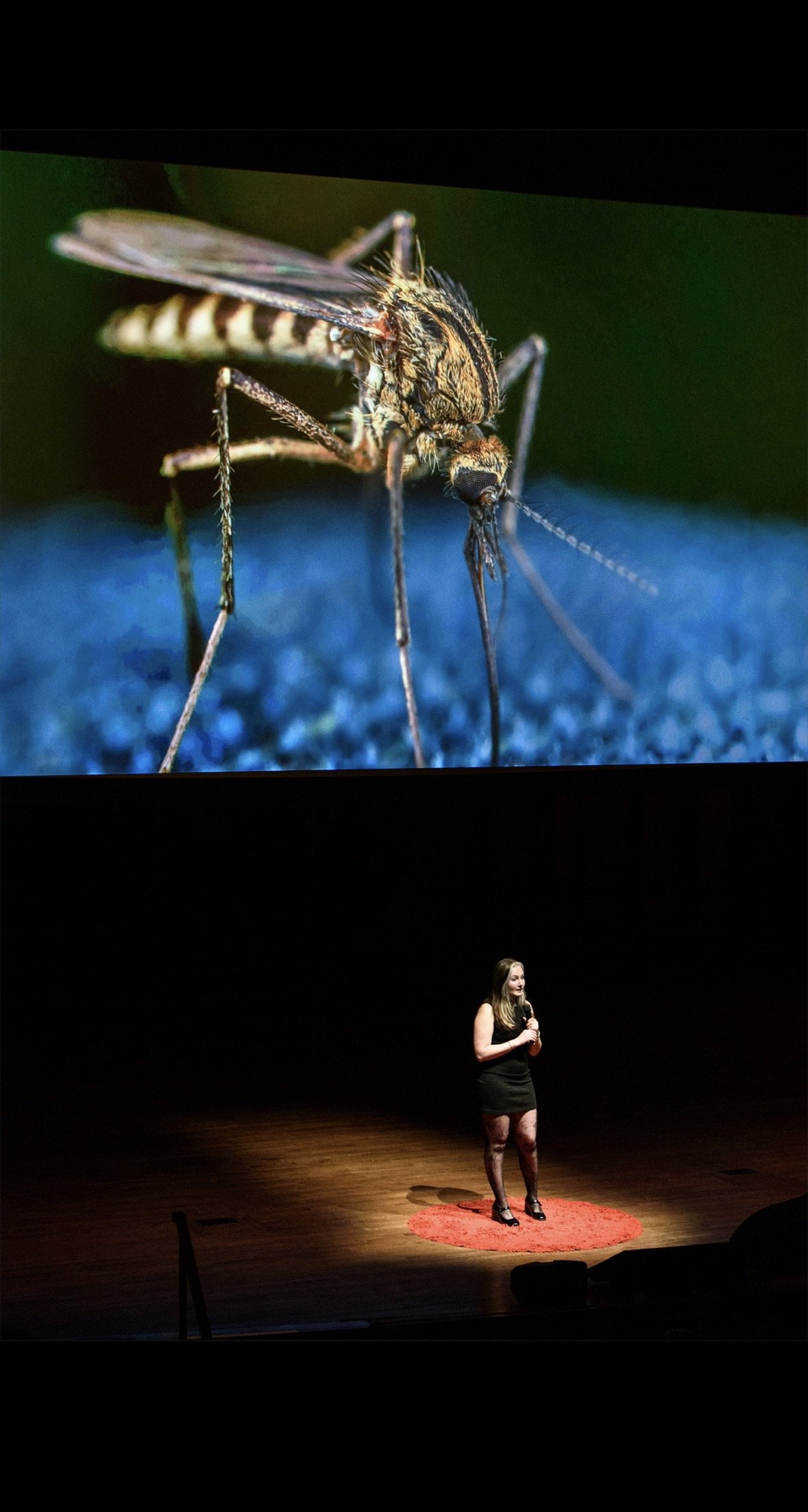
Top: Mosquito: Bottom: Cassandra Fieldson giving a talk on her mosquito research.
I recently interviewed Cassandra Fieldson, a mosquito and malaria researcher currently at Seattle Children’s Center for Global Infectious Disease Research, on my new podcast, Facetime with Scientists. On my podcast, I chat with scientists while they are doing their thing in the lab or field. For my episode with Cassandra, I chatted with her while she was separating mosquito heads from their bodies (don’t worry, they were properly sedated!) to isolate malaria parasites for research. Somehow, Cassandra was able to tell me fun mosquito facts, narrate dissections, document her journey into this research area, and answer all kinds of other random questions while steadily dissecting over 30 mosquitoes for her next experiment.
Cassandra has 80.3K followers on Instagram. She posts all kinds of cool videos of her work in the lab studying mosquitoes to better understand the life cycle of the malaria parasite. And I dare say, she makes mosquitoes look… cute?!
Cassandra is also a former wilderness instructor who has taught kids how to identify native Washington plants, recognize bird communication and behavior, build a fire and a protective structure for wilderness survival, and navigate in the wild. She has a soft spot for nature, including mosquitoes.
When I asked her how she feels about the Anopheles mosquitoes she raises in the lab, she admitted that she cares about them. She wants to see them thrive in the lab, even if primarily so that her malaria research yields valuable insights for future disease control and vaccine efforts.
“You spend enough time with something, you get really interested and intrigued in how it functions,” Cassandra said. Of course, she’s acutely aware that select Anopheles species are causing hundreds of thousands of deaths every year. The lab she works in is investigating the basic biology of the malaria parasite, how it can reach the brain in severe cases, and how genetically attenuated (or weakened) parasites could provide new vaccination routes.
I never realized how interesting mosquitoes are until I chatted with Cassandra for an hour! But you came here for fun mosquito facts, so… let’s go!
Fact #1
There are over 3,500 different species of mosquitoes. Only 15% or less bite humans, and less than 10% of them spread human disease. In the U.S., only 12 types of mosquitoes can make people sick.
Fact #2
Mosquitoes carrying malaria have been around since the age of the dinosaurs. The parasite has had ample time to perfect its relationship with the mosquito, which serves as the vector in which the parasite matures and reproduces.
”Malaria has been around and evolved with mosquitoes for over millions of years,” Cassandra said. Scientists found this out through a biting midge, an ancestor of mosquitoes, encased in amber. It had taken a bite of something, and in its stomach, it contained the malaria parasite.”
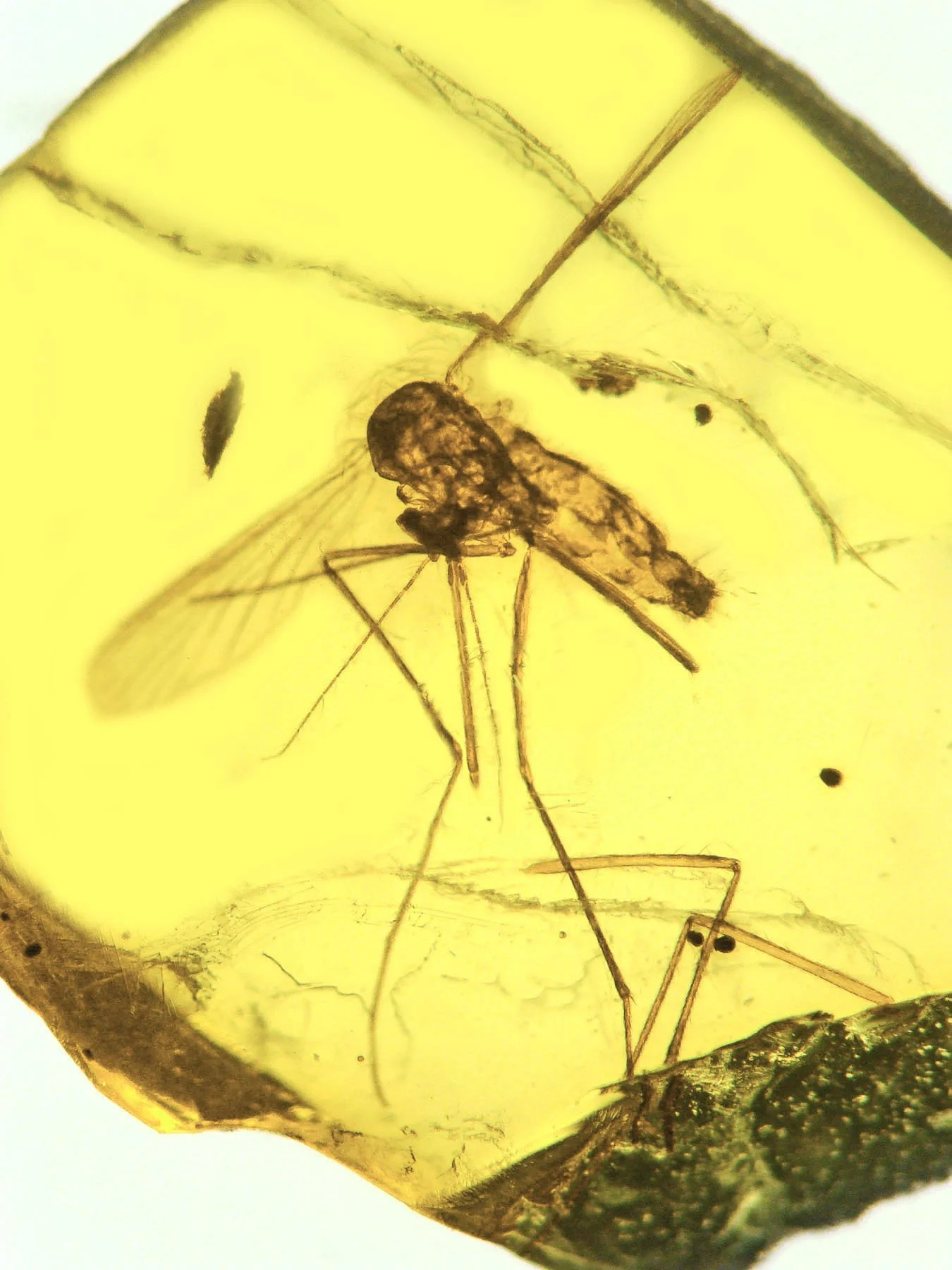
This 15-20 million-year-old mosquito Culex malariager, was discovered in the Dominican Republic preserved in amber, and is infected with the malarial parasite Plasmodium dominicana. It’s the oldest known fossil showing Plasmodium malaria, related to the type that today infects humans. (Photo by George Poinar, Jr., courtesy of Oregon State University) - via Wikipedia
Fact #3
Mosquitoes are found on every continent except Antarctica… although that may change. Mosquitoes are pushing north as the climate warms. They were found in Iceland for the first time in 2025.
Fact #4
Adult mosquitoes, both males and females, feed on nectar and other sources of plant sugars for energy. Only adult female mosquitoes need a blood meal in order to produce eggs. Apparently, given the choice, “the majority of female mosquitoes will consume a sugar meal before they take blood.” Did my heart just soften a bit for mosquitoes?!
Fact #5
Not all mosquitoes are bad! Many play important ecological roles, from being a food source for other insects, fish, birds, amphibians, and mammals (think: bats!) to being plant pollinators!
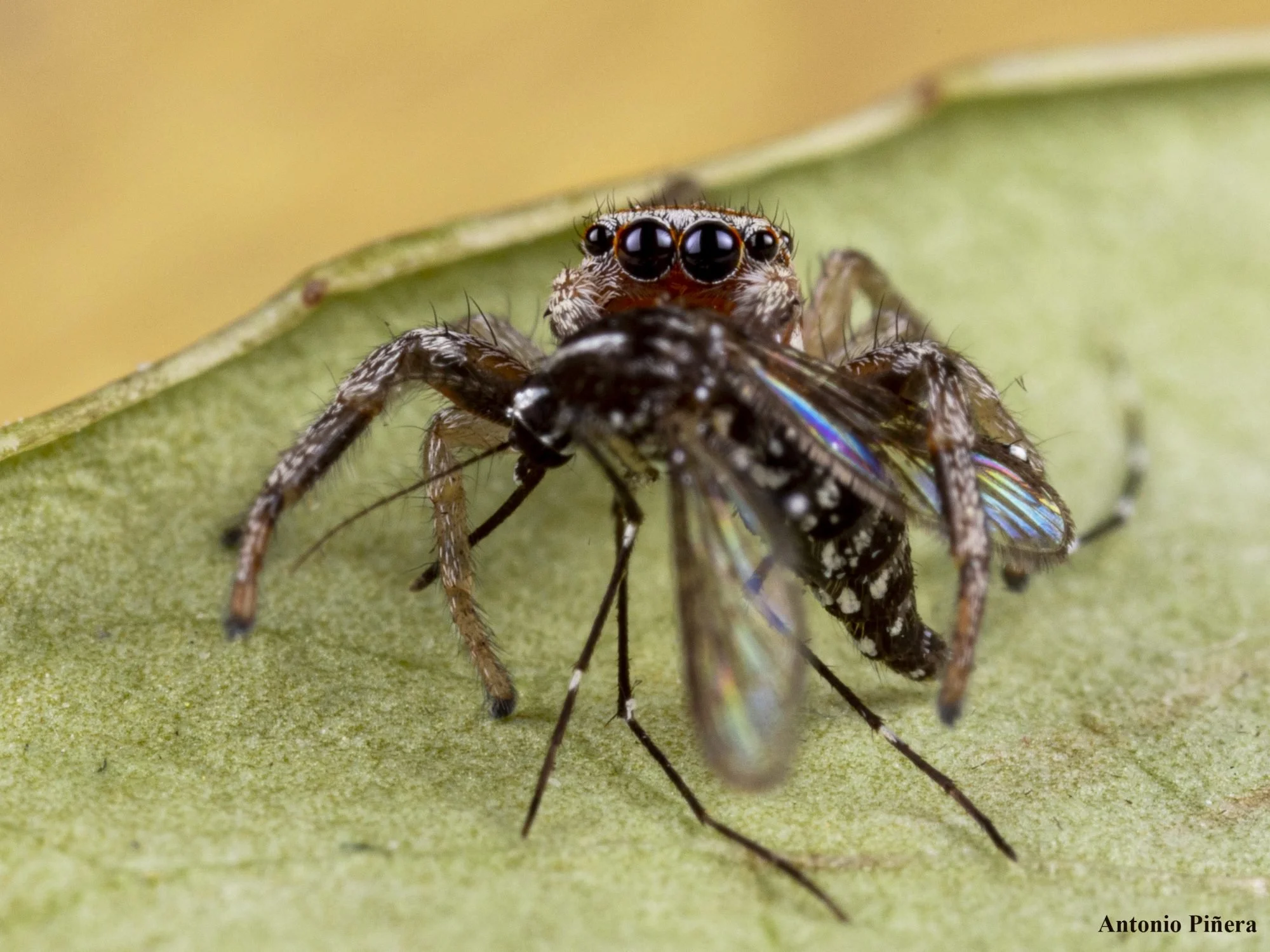
A spider male, Icius hamatus, capturing a tiger mosquito in a garden in Barcelona. Source: Mosquito Alert | Antonio Piñera CC-BY
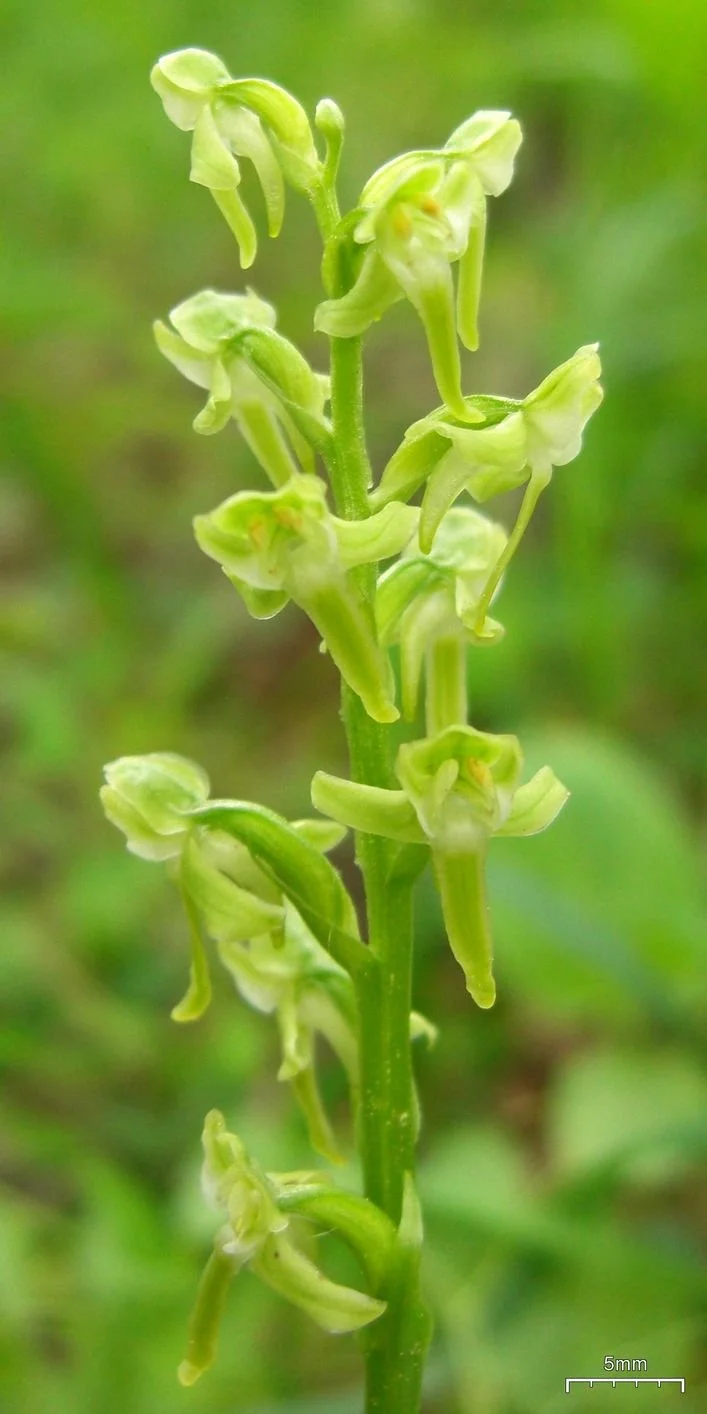
The blunt-leaved orchid, a mosquito-pollinated plant.
The blunt-leaved orchid, Platanthera obtusata, is one mosquito-pollinated plant.
Fact #6
Mosquitoes have three main senses that allow them to find you for their next blood meal. They primarily rely on chemosensation to detect your odor with their scent-sensing antennae. The antennae are covered in hundreds of tiny hairs that can detect airborne molecules.
Mosquitoes can detect carbon dioxide (from your exhalations) and heat. In fact, some malaria mosquitoes have been found to detect plumes of carbon dioxide from 18 meters away, and a change in concentration of as little as 0.01% can wake them up and send them your way!
Fact #7
Mosquito larvae have long lateral hairs on their bodies that detect movement in water, allowing them to react. Cassandra says these hairs remind her of her whiskers.
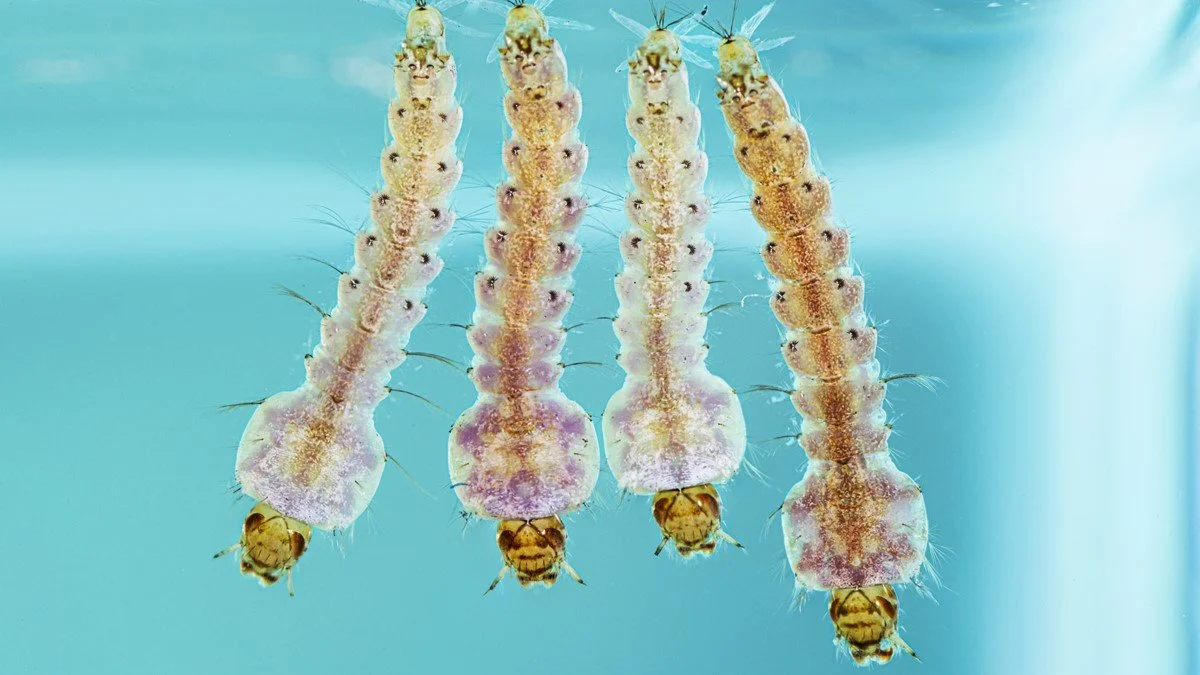
Anopheles mosquito larvae living underwater. Source: CDC
Fact #8
The process of a malaria parasite making its way to a mosquito's stomach, reproducing, bursting through the stomach, and traveling to the mosquito’s salivary gland to infect the next host takes about three weeks. Cassandra dissects mosquitoes’ salivary glands to isolate malaria parasites that infect mice (not humans) for her research.
Fact #9
The mouth part of a mosquito is called the proboscis.
Fact #10
The claim that mosquitoes prefer O-type blood appears to be largely a myth, stemming from controversial and retracted studies.
The book Mosquitopia has a chapter full of fun mosquito facts, if you want more!